Feeling torn between several Woodbury neighborhoods? You are not alone. With a mix of established streets, newer master planned communities, and everything in between, it can be hard to know where to start. This guide gives you a clear, practical way to compare areas by housing, parks and trails, commute, everyday conveniences, and long term value so you can choose with confidence. Let’s dive in.
Woodbury at a glance
Woodbury sits on the east side of the Twin Cities in Washington County. It is a primarily residential city supported by retail hubs, health care, and extensive parks and trails. Development happened in waves, which creates different neighborhood styles. You will find mature tree lined streets near earlier development, classic 1980s to 2000s subdivisions, and newer planned communities with shared amenities and homeowners associations.
Match neighborhood to lifestyle
Housing types and price tiers
As you compare areas, look at what housing types are common. Some neighborhoods lean single family on larger lots, while others offer townhome and condo options that can be ideal for first time buyers or downsizers. You will also see typical floorplans shift by era, from single level ranch styles to two story homes and open plans in newer builds. Group options into entry level, mid market, and upper tier so you can align features and finish levels with your budget.
New build or resale tradeoffs
New construction often provides modern layouts, energy efficiency, and builder warranties. You may also find community amenities like pools, parks, and trails managed by an HOA. Resale homes can offer established landscaping, mature trees, and potential price flexibility. Compare HOA fees, covenants, and any special assessments alongside price and features to see the true monthly picture.
Schools and family services
Woodbury neighborhoods are served by South Washington County Schools, known as ISD 833. School attendance boundaries do not always match neighborhood names or map lines. If schools are a key factor, confirm the full path from elementary to high school for any specific address with the district before you make an offer. Also look at proximity to day care, libraries, youth sports facilities, and after school programs that fit your family routine.
Parks, trails, and recreation
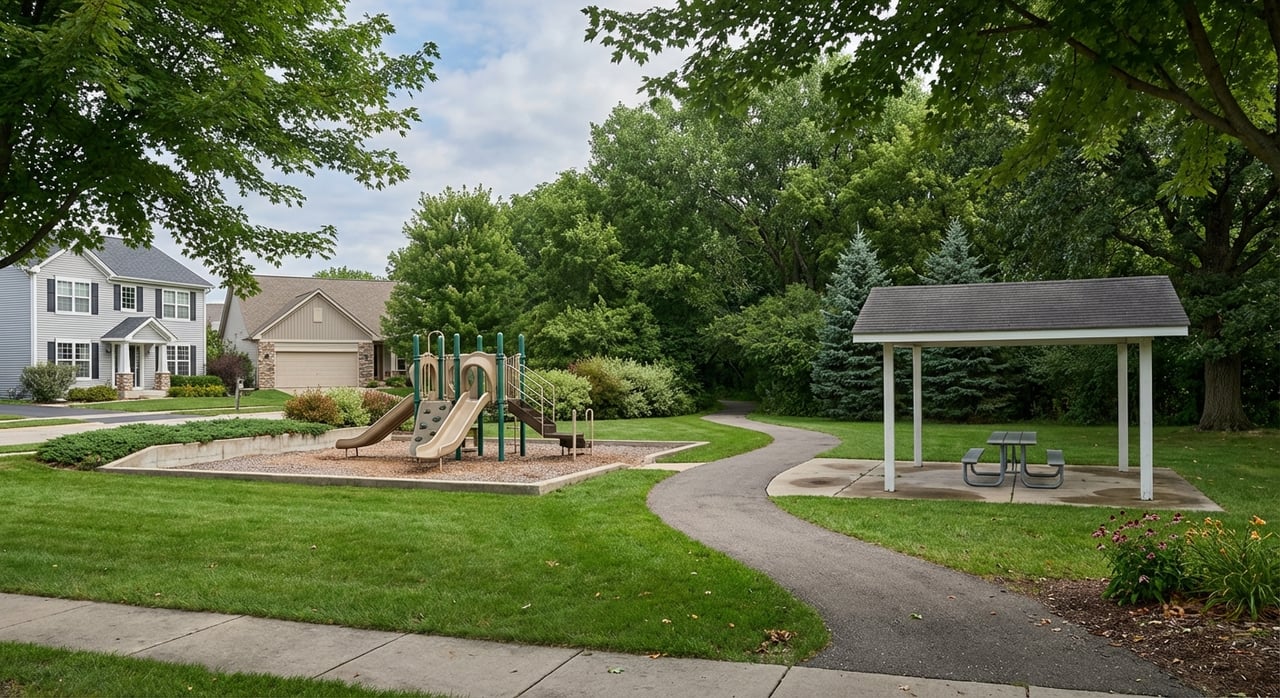
Woodbury is known for its parks and a sizable trail network. When comparing neighborhoods, check how easily you can reach off street trails and whether you can walk or bike to nearby parks without driving. Note the mix of neighborhood parks and larger preserves or green corridors. If you enjoy biking, running, or cross country skiing, prioritize areas with strong trail connections.
Commute and transit
Most Woodbury residents drive, so test your commute during peak hours to typical destinations in St. Paul or Minneapolis. Access to major roads can reduce drive times and stress. Some commuters use express bus service via park and ride locations, which can be a good option if it aligns with your schedule. If you expect to travel often regionally, areas with quicker access to highways may matter more than distance on the map.
Daily conveniences and care
Think through your weekly routine. Proximity to grocery stores, pharmacies, retail centers, and service businesses can save time and simplify life. Many parts of Woodbury enjoy short drives to shopping and dining. Also note how close you are to urgent care and larger health campuses for routine and emergency needs.
Safety and city services
When you compare areas, review crime maps and Washington County statistics to understand patterns by neighborhood. You can also check where police and fire stations are located and typical response coverage. City services like snow removal priority routes, trash and recycling schedules, and street maintenance are worth a look. Winter road maintenance can be a deciding factor for some buyers.
Resale potential and growth
Look for signs of value stability and buyer demand. Review recent sales, days on market, and price trends at the micro neighborhood level. Research upcoming development approvals, roadway projects, and planned parks or school changes. A new corridor or subdivision can shift traffic patterns and future inventory, which may affect long term value.
Environmental and physical checks
In parts of Woodbury, creeks, wetlands, or lower elevations can bring floodplain or wetland constraints. Confirm any hazard zones using city or county maps and consider a specialist if the lot is near water or in a low area. For older homes, add inspections for items like radon or soils where appropriate. Also note noise factors such as major arterials, commercial districts, or flight paths.
A step-by-step plan
Use this simple process to narrow your list with less stress.
1. Set non negotiables
- Budget range and minimum housing type
- Maximum commute time
- School boundary requirements
- Must have neighborhood features like sidewalks, trails, or HOA amenities
- Dealbreakers such as high HOA fees, proximity to busy roads, or floodplain
2. Map first, then filter
- Draw a commute ring that reflects your maximum peak hour drive times.
- Layer in school attendance boundaries and nearby parks and retail nodes.
- Filter the MLS by price, home type, lot size, year built, and HOA presence.
3. Visit like a local
- Drive the neighborhood on a weekday morning, after school, and on a weekend.
- Walk a few blocks to gauge sidewalks, trail connections, and everyday noise.
- Time the drive to your usual grocery, gym, or park. Confirm what looks close on a map is easy in real life.
4. Bring in professionals
- Work with a local real estate advisor who knows micro neighborhood nuances.
- Get pre approved so you focus on realistic options and act quickly when the right home appears.
- Use a home inspector and relevant specialists for any property specific concerns.
Neighborhood styles and who they fit
Every buyer is different, but these patterns can help you focus.
Established single family areas
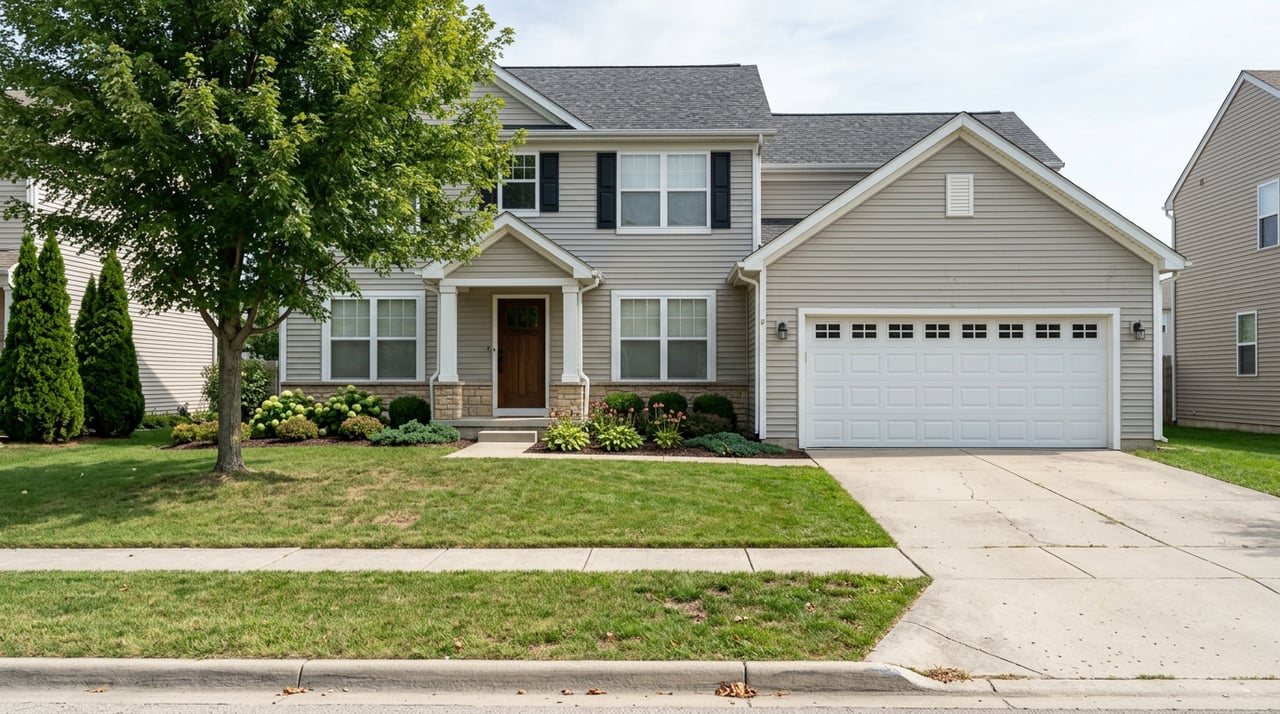
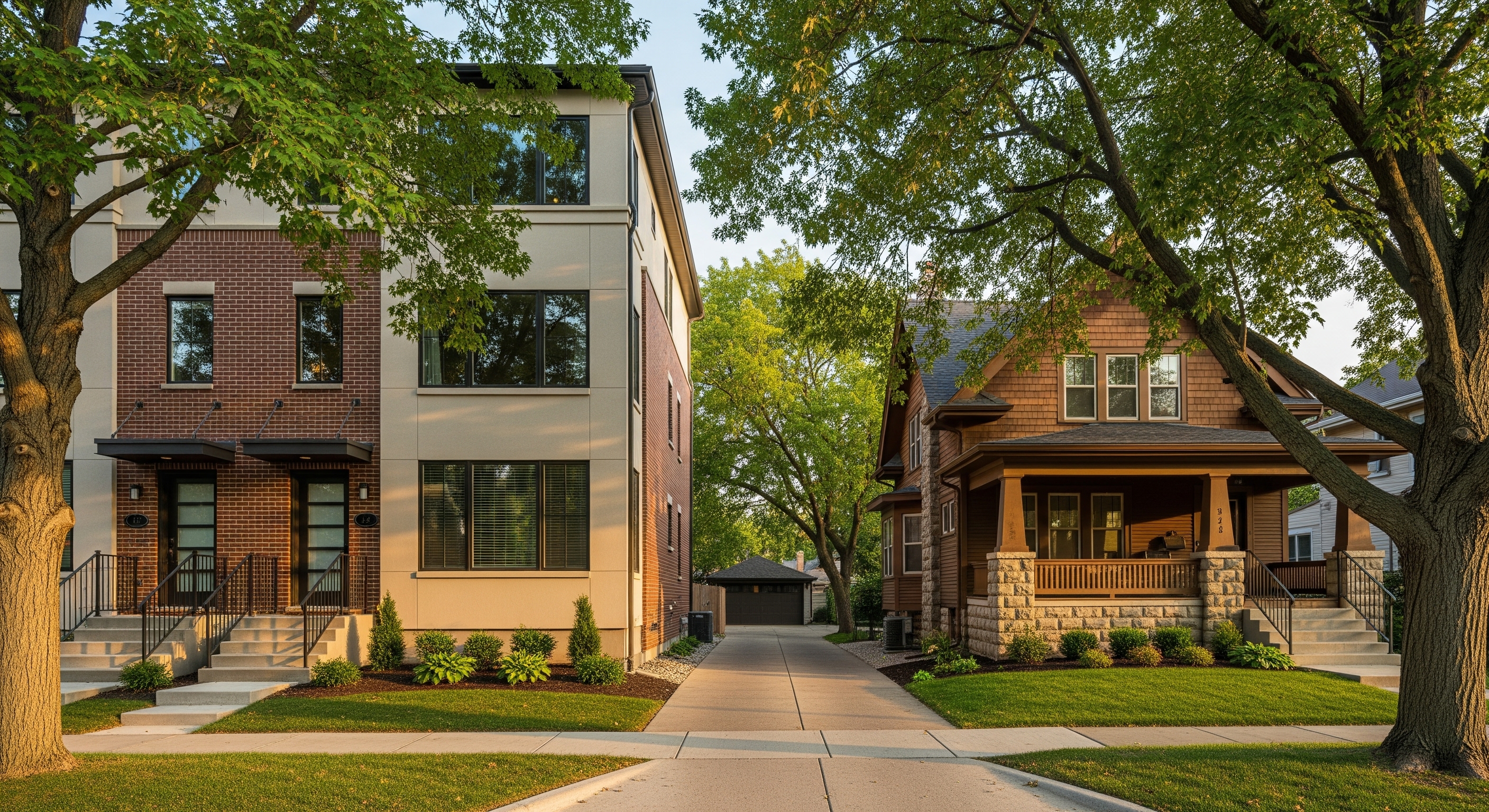
These areas often have mature trees, varied architecture, and established streets. You may find larger yards and a traditional neighborhood feel. They can be close to earlier retail and city services. Consider these if you value character, landscaping, and a settled setting.
Mid age suburban subdivisions
Commonly built from the 1980s to 2000s, these neighborhoods often feature classic two story or split level homes on family oriented lots. Many are near parks and elementary schools. They can offer a balance of space, price, and convenience. Focus here if you want predictability and practical layouts.
Newer master planned communities
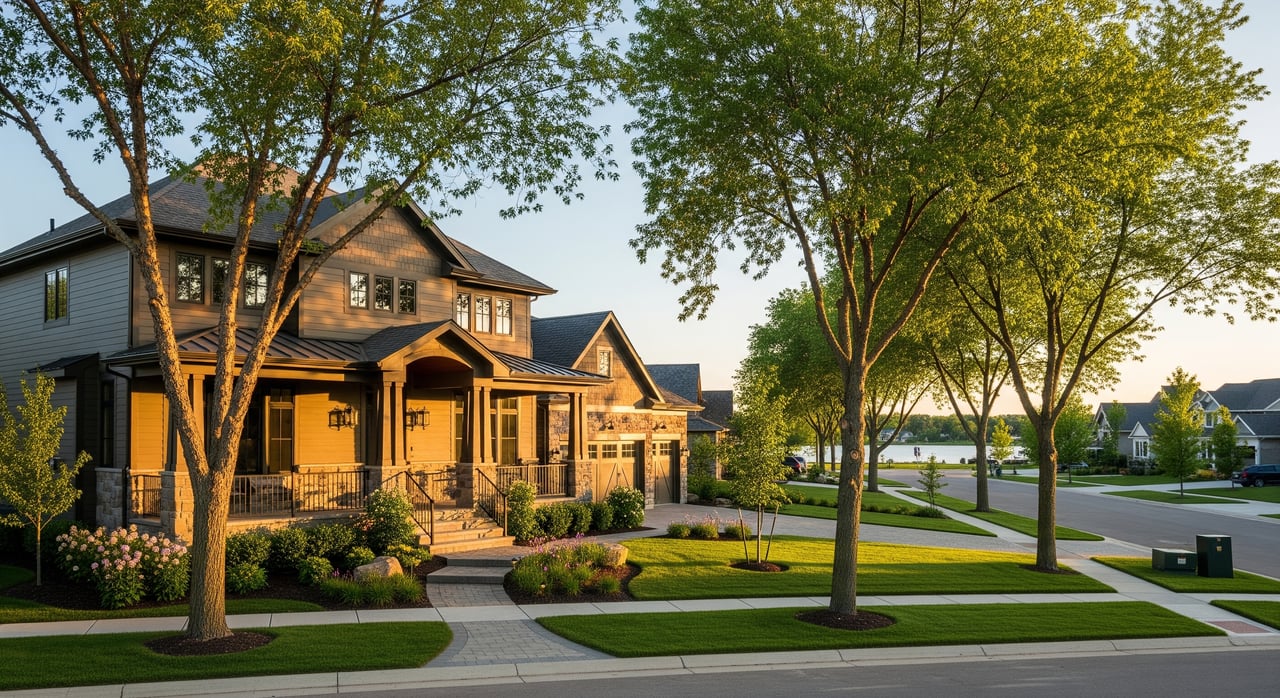
Expect modern floorplans, trails, playgrounds, and sometimes pools or club amenities. HOAs manage shared spaces and design standards, which can support consistency. Compare HOA rules and fees to ensure they fit your lifestyle and budget. Choose this type if you want newer construction and community features.
Townhome and condo clusters
These can provide a cost conscious entry point or a low maintenance lifestyle. HOA fees cover exterior maintenance and shared spaces, which simplifies upkeep. Review pet rules, rental caps, and any upcoming assessments. Consider these if you want manageable monthly costs with less maintenance.
Near retail and mixed use nodes
These locations can be more walkable to shopping and services, though lot sizes may be smaller and traffic higher. If you prefer quick errands and dining close by, map these areas and test the street experience at different times of day. Balance convenience with your tolerance for activity.
Neighborhood comparison checklist
Use this quick list to keep your search focused.
- Define non negotiables for home type, commute, schools, and budget
- Pick three candidate neighborhoods that meet those basics
- Confirm school boundaries for each address with the district
- Review recent sales for the last 6 to 12 months in each area
- Visit at multiple times of day and walk a few blocks
- Check city and county maps for floodplain and planned projects
- Get pre approved and coordinate showings with a local expert
How our team helps
Choosing the right Woodbury neighborhood is part data and part on the ground experience. Our team pairs deep local knowledge with a calm, consultative approach so you can make decisions at your pace. We track micro neighborhood trends, school boundary nuances, and city plans that can affect value. Clients trust our ethics forward guidance, recognized by industry awards and consistent five star reviews, and rely on our coordinated team model to keep every step clear.
Ready to compare neighborhoods and move forward with confidence? Connect with Chuck Eckberg for a no pressure conversation about your goals and a tailored plan for your Woodbury home search.
FAQs
Which Woodbury neighborhoods are best for families?
- Look for areas near elementary schools and parks with sidewalks and short drives to middle and high schools, and confirm school boundaries with the district for any address.
What are the most walkable parts of Woodbury?
- The most walkable spots tend to be near mixed use retail centers, while many residential areas are car oriented, so test actual routes to shops and parks on foot.
How do I confirm school boundaries in Woodbury?
- Use South Washington County Schools attendance tools and contact the district directly to verify the full path from elementary through high school for a specific address.
How can I estimate total monthly cost for a Woodbury home?
- Add property taxes, HOA fees if applicable, homeowner’s insurance, utilities, and a maintenance reserve to your mortgage payment, and verify amounts through county records and HOA documents.
How should I evaluate commute from Woodbury?
- Drive your route at peak hours and use live mapping to compare times to St. Paul, Minneapolis, or other workplaces, and consider park and ride express bus options if they fit your schedule.
How do I find quieter streets in Woodbury?
- Focus on interior subdivision streets and cul de sacs away from major arterials and retail nodes, and visit at different times to gauge typical traffic and noise.