Do you love the romance of a front porch with original millwork, yet crave the low‑stress comfort of modern systems? In Stillwater, both options are on the table, and each brings real tradeoffs. If you weigh character and location against predictability and efficiency, you can choose with confidence. This guide breaks down what “historic” means locally, the inspections to prioritize, costs to plan for, permits to expect, and financing paths that fit. Let’s dive in.
What “historic” means in Stillwater
In Stillwater, “historic” is more than a look. The city runs a Heritage Preservation program and design review for certain districts. If you buy in one of these areas, most exterior changes typically require review and permits before work starts. You can explore district maps and guidance on the city’s Heritage Preservation pages to understand where these rules apply and how the process works.
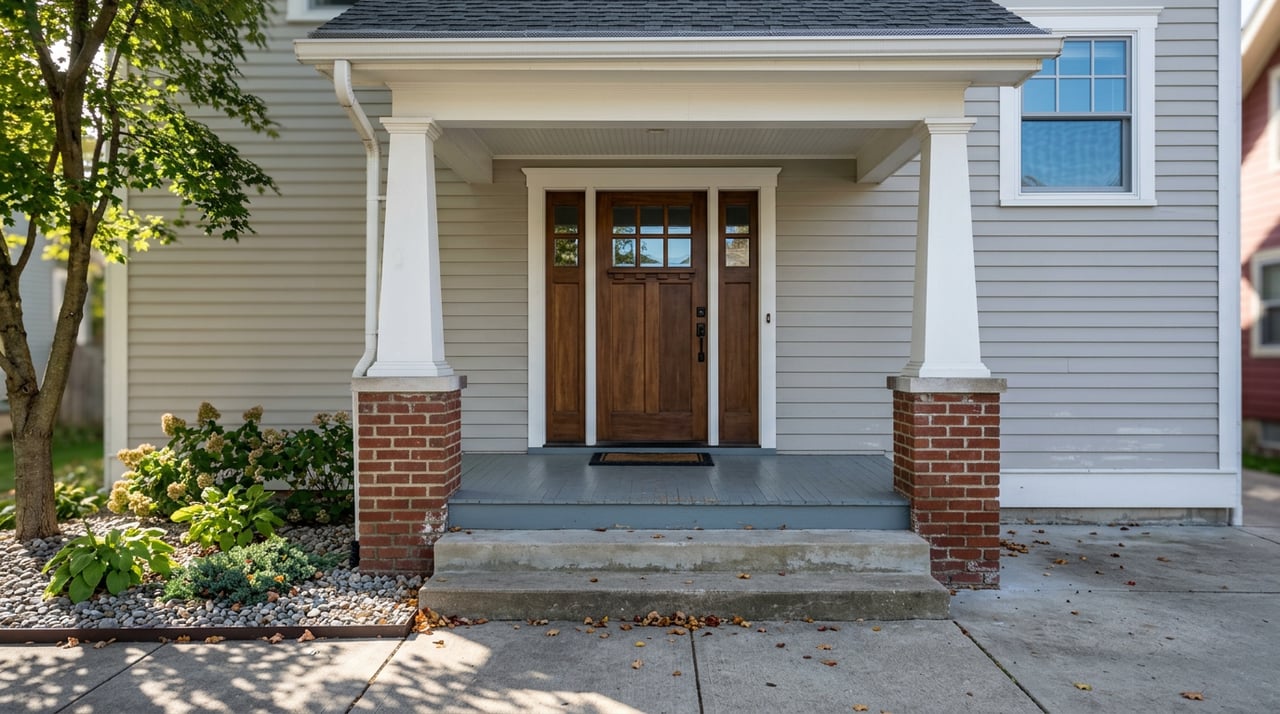
Many homes near downtown and on the hillsides date to the late 1800s and early 1900s. Their value often comes from period architecture and setting close to Main Street and the river. Design review can shape choices for windows, siding, porches, and timelines, so factor that into your planning.
Where you find each type
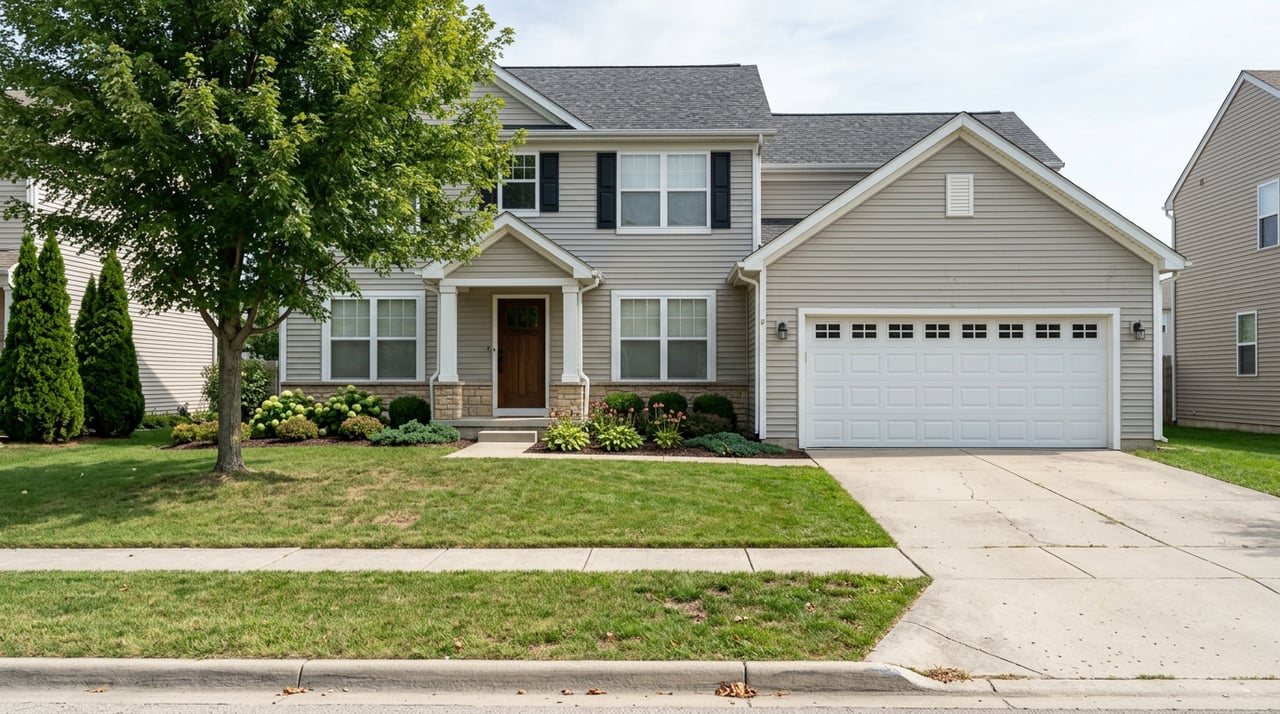
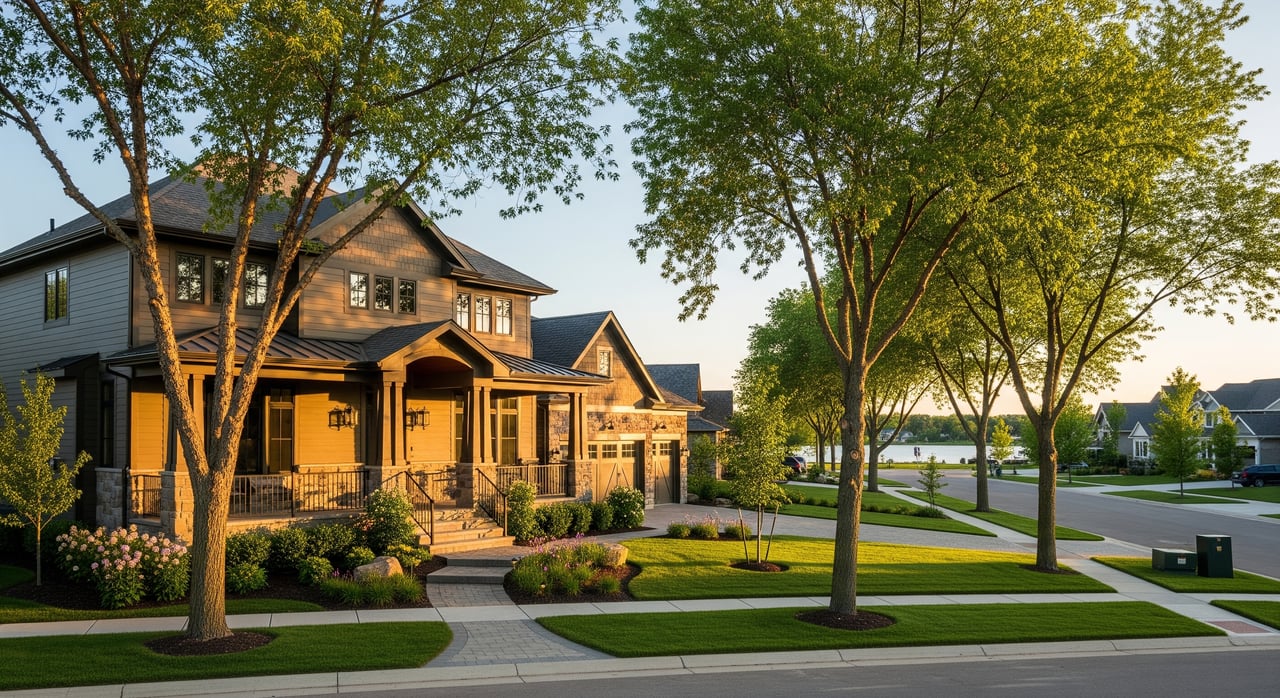
Historic homes cluster around the walkable core, on the bluffs above the St. Croix, and in older neighborhoods with smaller-to-medium lots. You can get a feel for the area’s setting and architecture through the city’s cultural landscape and walking tour resources. Newer homes are more common as infill or in subdivisions outside the tight downtown grid, with larger garages, open layouts, and modern systems.
Pros and cons for buyers
Why choose a historic home
- Distinctive character with original details like porches, millwork, and period trim.
- Walkable locations near Main Street, dining, riverfront paths, and community events.
- Long-term upside for buyers who value craftsmanship and are comfortable with paced improvements.
- Potential for unique curb appeal that stands out at resale.
Why choose a newer home
- Modern mechanicals, energy performance, and, in many cases, builder or system warranties.
- Predictable near-term maintenance and faster move-in.
- Open floor plans, larger closets, and attached garages that fit today’s lifestyles.
- Often outside design-overlay rules, which can simplify exterior updates.
Inspections to prioritize and budget risks
Historic homes can be excellent investments when you inspect well and budget wisely. Here is a smart due-diligence lineup for older Stillwater properties:
- Full home inspection focused on structure, roof, and foundation by a licensed inspector.
- Electrical evaluation if the home is old, especially for knob-and-tube or undersized service. Older wiring can affect insurability and may need upgrading.
- Plumbing and sewer scope to check for aging lines.
- Chimney and masonry review, plus a roof assessment.
- Lead paint precautions for pre-1978 homes. If you plan to disturb paint, follow the EPA’s Renovate Right guidance for lead-safe work.
- Radon test. Minnesota has a high radon prevalence, and the state health department recommends testing and mitigation when needed.
- Flood risk check using FEMA’s Flood Map Service Center, especially for river-adjacent or low-lying parcels.
Common cost drivers on older homes include electrical rewiring and roofing. National contractor price guides show that full or partial rewires can run from the mid-thousands into the tens of thousands depending on size and access. See typical ranges for knob-and-tube replacement in Angi’s cost guide. Always confirm with 2 to 3 local electrician bids. Roof work varies by material and complexity. Budget for a full replacement if the roof is near end of life and get quotes from reputable local roofers. Provenance: national contractor price guides, 2025–2026; local quotes will vary.
- Lead and asbestos remediation costs vary widely based on scope. Follow EPA and Minnesota guidance for testing and certified abatement when needed.
- Foundation or drainage corrections may require a structural engineer’s input.
Permits, timing, and incentives
If the home sits in a Stillwater historic or design-review district, exterior changes typically need Heritage Preservation review and city permits. This review adds time and can shape materials and design details. Build this step into your schedule early to avoid delays.
A key incentive note: Minnesota’s state historic rehabilitation tax credit and the federal historic tax credit generally apply to income-producing properties that meet strict standards. Most owner-occupied single-family homes do not qualify. Review the State Historic Preservation Office’s incentives overview before counting on any credits.
Permitting also interacts with financing. Lenders and renovation loans often require permitted work that meets code, so align your project scope, budget, and timeline with the city’s process.
Renovation loans and insurance factors
If you love a home that needs updates, consider a single-loan purchase-plus-renovation path:
- FHA 203(k). Combines purchase and rehab into one FHA-insured mortgage, with standard and limited options and defined scopes. Review HUD’s 203(k) program overview and speak with a local lender.
- Fannie Mae HomeStyle Renovation. A conventional purchase-plus-renovation option with different underwriting than FHA. Read Fannie Mae’s HomeStyle FAQs to compare.
Insurance can differ for older houses. Carriers may require updates to wiring, plumbing, or roofing before issuing coverage, and some homes benefit from endorsements like ordinance-and-law or replacement-cost options. Learn about insuring older homes and ask your insurer early about any required upgrades.
A simple decision checklist
Use this framework to decide with clarity:
1) Define non-negotiables
- Location and commute, lot size, number of bedrooms and baths.
- Access to parks, riverfront, and walkable amenities that fit your lifestyle.
- Tolerance for phased renovations versus desire for move-in readiness.
2) Set your budget buckets
- Purchase price and closing costs.
- Immediate safety and major systems first: electrical, roof, HVAC, foundation. National guides suggest rewires can range from the mid-thousands to tens of thousands. Get local bids and prioritize essentials before cosmetic work.
- Permits, design review, and consultants when needed.
- Contingency of 10 to 20 percent for unknowns in older homes.
3) Strengthen your offer on a historic home
- Include time for electrical evaluation, sewer scope, and lead or asbestos screening.
- Request seller disclosure of prior permits and any Heritage Preservation decisions or conditions.
- Confirm with your lender that your contract allows FHA 203(k) or HomeStyle if you plan to use a renovation loan.
- Order radon testing and check the FEMA flood map early.
4) Quick rules of thumb
- Choose historic if you value one-of-a-kind character and walkable location, and you are comfortable improving systems over time.
- Choose newer if you want predictable mechanicals, stronger energy performance, and a faster, lower-risk move-in.
How a local advisor helps
The right partner helps you weigh character against cost, see red flags early, and plan a clean path from offer to closing. You get clarity on inspections, permits, loan choices, and insurance so there are fewer surprises. If you are comparing a Queen Anne near Main Street with a newer build on the edge of town, a calm, data-driven walkthrough can make the choice clear.
Ready to explore Stillwater’s options and choose with confidence? Connect with Chuck Eckberg for a no-pressure plan that fits your goals.
FAQs
What counts as a “historic” home in Stillwater?
- In Stillwater, many homes in designated historic or design-review districts are considered historic for permitting purposes, and most exterior changes typically require Heritage Preservation review and city permits.
Do owner-occupied historic homes qualify for tax credits in Minnesota?
- Generally no. Minnesota’s state and the federal historic rehabilitation tax credits primarily support income-producing projects, not most owner-occupied single-family homes.
Which inspections are most important for an older Stillwater house?
- Prioritize full home, electrical, plumbing/sewer scope, chimney/roof, lead testing for pre-1978 paint, a radon test, and a flood-zone check.
What renovation loans help if a home needs work?
- Two common single-loan options are FHA 203(k) and Fannie Mae HomeStyle Renovation, which combine purchase and rehab under one mortgage with specific rules.
How do I check flood risk before I buy in Stillwater?
- Look up the property in FEMA’s Flood Map Service Center, then discuss findings with your insurer and the city if the parcel appears within a mapped flood zone.
City of Stillwater Heritage Preservation
Stillwater cultural landscape and walking tours
EPA Renovate Right guidance for lead-safe work
Minnesota Department of Health on radon
FEMA Flood Map Service Center
Angi cost guide: knob-and-tube replacement
Minnesota SHPO: incentives overview
HUD: FHA 203(k) program
Fannie Mae: HomeStyle Renovation FAQs
Insuring older homes